Blog
Do Heat Pumps Use a Lot of Electricity?
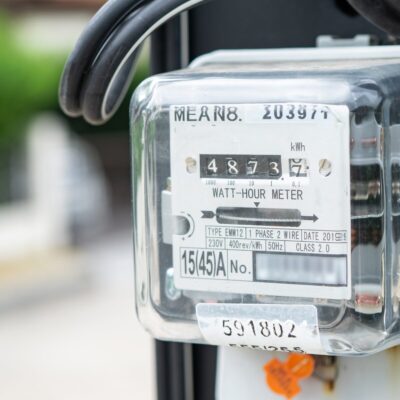 For neighbors across the Denver Metro Area, comfort and savings matter, especially when our weather can swing from sunny afternoons to frosty nights. Many families ask about heat pump energy use and whether a heat pump will spike the electric bill. The short answer: when sized and installed properly, modern heat pumps are among the most efficient ways to heat and cool a Colorado home, often delivering more comfort with less energy than older systems.
What a Heat Pump Does
Instead of generating heat, a heat pump moves heat, pulling warmth from the air outside into your home in winter, then reversing to move heat out in summer. Because moving heat takes much less energy than creating it, a heat pump can deliver two to three times more heating energy than the electricity it consumes. That efficiency is why they’ve become such a smart option for our community’s varied seasons.
How Much Electricity Does a Heat Pump Use in Denver?
Every home is different, but here’s the big picture: heat pumps typically use far less electricity than electric baseboard or electric furnaces and can significantly reduce total energy costs when replacing older, inefficient systems. In our climate, “cold-climate” models maintain strong performance even when temperatures dip well below freezing, which means steady comfort without dramatic jumps in usage.
What influences your actual electricity use:
- Outdoor temperatures and sun exposure
- Home size, insulation, and air sealing
- Ductwork condition and airflow
- Thermostat settings and habits
- Equipment type and installation quality
What Drives Costs Here in the Mile High City
- Cold Snaps and Warm Afternoons:
Denver’s swings favor heat pumps, which shine in “shoulder seasons.” Cold-climate units also handle deep freezes with confidence. - Home Envelope:
Good insulation and air sealing keep warmth in and reduce run time, lowering bills. - Sizing and Installation:
Right-sized equipment and careful setup prevent short cycling and keep efficiency high. - Thermostat Strategy:
Small, steady setpoints are more efficient than frequent large adjustments. - Maintenance:
Clean filters and routine tune-ups protect efficiency and comfort.
Ways to Keep Your Heat Pump’s Energy Use Low
- Improve attic and wall insulation; seal gaps around doors, windows, and penetrations to prevent drafts.
- Use moderate thermostat setbacks (or none at all) in the coldest weather to avoid long recovery times.
- Replace or clean filters every 1–3 months to maintain healthy airflow.
- Schedule annual professional maintenance to catch small issues early and preserve efficiency.
- If you have ducts, seal and balance them so each room gets the right airflow.
- Consider a cold-climate, ENERGY STAR–certified model when it’s time to upgrade for stronger low-temperature performance.
Comfort, Savings, and Reliability You Can Feel
A well-installed heat pump delivers quiet, even warmth in winter and crisp, reliable cooling in summer, without the hot-and-cold swings many of us grew up with. It’s a straightforward path to lower utility costs, better comfort, and dependable performance season after season. When you weigh all the factors, the picture is clear: today’s heat pumps offer exceptional efficiency for the Denver Metro climate, helping our community enjoy steady comfort and meaningful savings year-round.
Interested in more information about heat pump energy use? Since 2001, Indoor Air Quality, Inc. has provided heating and cooling services to homeowners in Centennial, Aurora, Denver, and Highlands Ranch (service area). Check out our customer testimonials, contact us, or use our online contact form for more information and a free quote.