Blog
How to Choose the Right Heat Pump Installer
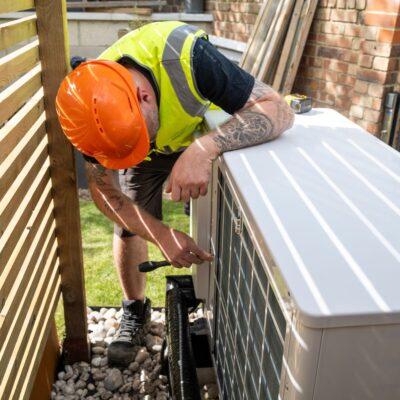 Choosing the right heat pump installer plays a major role in your home’s comfort, efficiency, and long-term savings. While heat pumps are an excellent solution for year-round heating and cooling, proper sizing and installation are critical to performance.
This guide breaks down what actually matters when choosing a heat pump installer, common mistakes to avoid, and how to ensure your system performs as intended in Colorado’s unique climate.
Why Proper Heat Pump Installation Matters
A quality installation ensures your heat pump operates at peak efficiency and delivers consistent comfort year-round. Improper installation, on the other hand, can lead to higher energy bills, uneven temperatures, frequent breakdowns, and a shortened system lifespan.
Choosing the right installer isn’t just about convenience—it’s about protecting your investment and ensuring your system is designed for your home, not just “dropped in.”
Top Qualities to Look For in a Heat Pump Installer
1. Certification and Proven Experience
Look for installers whose technicians are properly certified and continuously trained. Certifications like NATE (North American Technician Excellence) indicate a strong understanding of modern HVAC systems and best practices. Experience matters too—especially when working with different heat pump brands, home layouts, and system configurations.
An experienced installer will know how to anticipate challenges before they turn into problems.
2. Strong Local Knowledge
Colorado’s climate presents unique challenges for heat pump performance, from wide temperature swings to elevation-related efficiency considerations. Choosing a contractor familiar with local weather patterns, building practices, and permitting requirements is essential.
Installers with experience in Centennial, Aurora, Denver, and Highlands Ranch are better equipped to design systems that perform reliably through hot summers and cold winters.
3. Energy Efficiency & Building Science Expertise
Heat pumps are only as efficient as the system supporting them. A qualified installer should understand airflow, insulation, duct design, and load calculations—not just equipment specs.
Look for contractors who evaluate your home as a whole and are trained in energy efficiency and building science. This ensures your heat pump is properly sized and optimized, rather than oversized or underpowered.
4. Comprehensive Services
A reliable heat pump installer should offer more than just installation. Ongoing maintenance, repairs, and system support are key to long-term performance.
Working with one company for installation, routine service, and future repairs helps ensure consistency, accountability, and familiarity with your specific system.
5. Reputation and Hands-On Service
Online reviews and referrals can reveal a lot about a company’s reliability and customer care. Look for installers with a strong reputation for communication, follow-through, and quality workmanship.
Companies with hands-on ownership or leadership involvement often provide more personalized service and higher accountability throughout the process.
Common Heat Pump Installation Mistakes to Avoid
Even high-quality heat pumps can underperform if installed incorrectly. Here are some red flags to watch for:
- Skipping proper system sizing or load calculations
- Installing equipment without evaluating existing ductwork
- Lack of experience with cold-climate heat pump models
- No post-installation testing or performance verification
- Failure to pull permits or schedule inspections
Avoiding these issues upfront can save thousands in future repairs and energy costs.
Questions to Ask Before Hiring a Heat Pump Installer
Before choosing an installer, ask specific questions to ensure you’re making an informed decision:
- Do you perform a Manual J load calculation to size the system?
- What heat pump models work best for Colorado’s climate?
- How do you test system performance after installation?
- Who handles permits and inspections?
- What maintenance is required to keep warranties valid?
Clear, confident answers are a strong sign you’re working with a knowledgeable professional.
The Indoor Air Quality, Inc. Advantage
For homeowners looking for a trusted local option, Indoor Air Quality, Inc. brings decades of experience serving the Denver metro area, including Centennial, Aurora, and Highlands Ranch. Our team combines certified technicians, strong building science expertise, and hands-on service to deliver reliable, energy-efficient heat pump solutions.
As a family-owned company, we focus on long-term performance, honest recommendations, and keeping homes comfortable year-round.
FAQs
What should I ask a heat pump installer before hiring them?
Ask about certifications, local experience, system sizing methods, performance testing, and whether they provide ongoing maintenance and repair services.
How do I know if my heat pump was installed correctly?
Signs of a proper installation include consistent indoor temperatures, quiet operation, reasonable energy bills, and a clear walkthrough of system operation from your installer.
How often should a heat pump be serviced?
Most manufacturers recommend professional maintenance at least once a year to maintain efficiency and extend system life.
What certifications should a heat pump installer have?
NATE certification and ongoing training in modern HVAC technologies are strong indicators of installer expertise.
Can a heat pump reduce energy bills in Colorado?
Yes. When properly sized and installed for local conditions, heat pumps can significantly reduce energy costs compared to traditional heating and cooling systems.
Interested in more information about heat pumps? Since 2001, Indoor Air Quality, Inc. has provided heating and cooling services to homeowners in Centennial, Aurora, Denver, and Highlands Ranch (service area). Check out our customer testimonials, contact us, or use our online contact form for more information and a free quote.