5 Signs Your Home Thermostat May Need to be Replaced
If you are having problems with the heating or cooling of your home, it may not be your HVAC system. Instead, your issue might be related to a faulty thermostat. Here are 5 signs that your thermostat needs to be replaced.
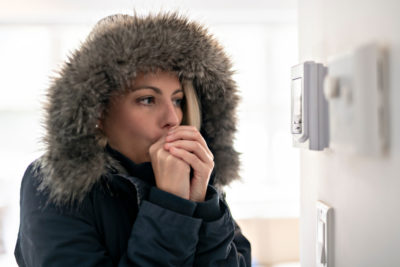
If you are having problems with the heating or cooling of your home, it may not be your HVAC system. Instead, your issue might be related to a faulty thermostat.
Signs of a Faulty Thermostat
Here are 5 signs that your thermostat needs to be replaced.
1. Your HVAC won’t turn on.
Your thermostat controls when your HVAC system kicks on, based on ambient temperature. A control board issue, broken relay, or even a dead battery could mean that your thermostat isn’t telling your AC or furnace when the room temperature falls above or below the set temperature. If it is just a dead battery, that is an easy fix, but broken wiring or other issues could mean that you need to replace the thermostat.
2. The room temperature doesn’t match the thermostat display.
Depending on where you take the room temperature there may be a c couple of degrees difference between what is displayed on the thermostat and your reading. However, if the temperature is off by more than a degree or two or if the temperature continues to fall in winter or go up in summer, then it’s likely that the thermostat isn’t working as it should.
3. Your utility bills are higher than normal.
If your thermostat quits working, you could be in for a nasty surprise when you receive your utility bill. Inefficiencies in temperature regulation could mean that your furnace or AC is overworked. This leads to an increase in energy consumption, raising your utility bill, and the wear of your unit which can result in abnormal wear and tear.
4. Your HVAC System Short Cycles
Older thermostats can shut the system off before the cycle has been completed. You may notice that your room is not being heated or cooled completely. Since the temperature doesn’t register as optimal, the thermostat will then kick your HVAC system back on, essentially causing it to run all the time. A thermostat typically lasts about 10 years but with the latest advances in technology, like smart thermostats, you may wish to go ahead and replace your older thermostat before 10 years has elapsed.
5. Thermostat Responds Slowly to Setting Changes
Your thermostat’s response to temperature changes should be immediate. If you adjust the settings and the HVAC system does not turn on or off right away, then a signal is not being delivered to the unit and you may need to replace your thermostat.
How to Troubleshoot Your Thermostat
If you suspect that your thermostat is not performing as it should, you can try these fixes before replacing it.
1. Check your settings.
Although it may seem obvious, double-check that your thermostat is set to “heat” during the winter and “cool” during the summer. If the blower is running constantly, check that your fan is set to “auto” and not “on.”
2. Adjust the temperature.
To make sure that the HVAC system is responding to the thermostat, adjust the temperature up or down by at least 5 degrees. You should immediately hear some clicks and the HVAC system will kick on or off accordingly.
3. Replace the batteries.
Even if your thermostat appears to be working, a fresh set of batteries could fix any issues you might be having. It’s generally good to replace your batteries once a year.
If you do need to replace your thermostat, you can find one at your local home supply store or you can call your HVAC technician and they can guide you on which type of thermostat will best fit your needs.
Contact IAQ today for all your HVAC needs. We service homes in Highlands Ranch and throughout the Denver Metro Area.